
Category: Solar 101

  • Common Solar Installation Mistakes to Avoid

    Common Solar Installation Mistakes to Avoid

    The most expensive solar mistakes happen before a single panel goes on the roof: the wrong system size, a design that ignores shade, an old roof, skipped permits and a loan with hidden fees. Each one shows up later as lower savings, a failed inspection or a costly repair. The good news is you can avoid all of them by asking every installer the same few questions.

    Key takeaways

    • Size the system to your yearly kWh use, not to your bill or the biggest roof space.
    • Ask for a real shade study and the yearly kWh the system should make.
    • Replace an old roof first, and make sure mounts are flashed, not just sealed.
    • Get the permit, inspection and utility approval steps in writing.
    • Always ask for the cash price so you can spot loan dealer fees.

    Check what size system your home really needs

    Mistake 1: The wrong system size

    A system that is too small leaves you with a big bill. One that is too big costs more than it will ever save, because many utilities pay much less for extra power at the end of the year. In Florida, leftover credits are paid out at a low wholesale rate, so aim to cover about 90% to 100% of your yearly use.

    Size it from 12 months of kWh use, not your dollar total. Our guide on how to calculate solar panel cost shows the math.

    Undersized or mismatched inverters

    An inverter that is too small for the panels clips power on the sunniest days for years. Ask for the inverter rating next to the panel size in writing.

    Mistake 2: Skipping a real shade study

    A single tree, chimney or dormer shadow can drag down a whole row of panels on a basic string system. Ask the installer to show shade on a design for each season, and ask whether microinverters or optimizers would protect your output. Then compare the yearly kWh each quote promises.

    Mistake 3: Weak roof and racking work

    Panels often outlast the roof under them. Removing and putting panels back later costs about $3,000 to $6,000, so replace a roof that has less than about 10 years left before you install.

    Flashed mounts

    Every roof mount should be flashed and sealed, not just covered in sealant that dries out over time.

    Wind rating

    In Florida, racking must meet the wind rating for your area. Ask for the spec before work starts.

    Roof warranty

    Ask if the installer warranties roof leaks at each mount and for how long.

    Mistake 4: Skipping permits and utility approval

    Solar needs a building permit, a city or county inspection and approval from your utility before you can turn it on. Skipping steps can mean a failed inspection, a system you cannot use, or trouble when you sell your home.

    1. Building permit pulled by a licensed contractor.
    2. Interconnection application filed with your utility before install day.
    3. Final inspection by your city or county.
    4. Permission to operate from your utility before you switch the system on.

    Learn how utility approval works in Florida net metering.

    Mistake 5: Signing without the cash price

    Many low-rate solar loans hide a dealer fee of 15% to 30% in the price. If a quote only shows a monthly payment, ask for the cash price and the total you will pay over the loan. Compare all the ways to pay for solar before you sign.

    Red flags in a solar quote

    • Only a monthly payment, no cash price
    • No yearly kWh production estimate
    • Pressure to sign the same day
    • Promises of free solar or government programs
    • No license number or proof of insurance

    Mistake 6: No monitoring after install

    Without monitoring, a failed panel or inverter can go unnoticed for months. Make sure the monitoring app is set up and you have your own login before the crew leaves.

    Before the crew leaves: a quick checklist

    Make sure you have

    • A copy of the permit and final inspection
    • Your utility’s permission to operate date
    • A login to the monitoring app
    • All warranties for panels, inverters and workmanship
    • A single line drawing of your system for your records

    Compare free quotes from vetted local installers

    Frequently asked questions

    What is the most common solar installation mistake?

    Getting the system size wrong. Size it to 12 months of kWh use and the power your panels will make, not to your bill total or the space on your roof.

    Should I replace my roof before installing solar?

    Yes, if it has less than about 10 years left. Removing and reinstalling panels later costs about $3,000 to $6,000.

    How do I know if a solar quote is fair?

    Divide the cash price by the system size in watts and compare the price per watt with other quotes and the average in your state. Also compare the yearly kWh each system should make.

    What is a solar dealer fee?

    A fee of often 15% to 30% that a lender adds to the price so it can offer a low interest rate. You pay it back with interest, so always ask for the cash price.

    Do I need a permit to install solar panels?

    Yes. Home solar needs a building permit, a final inspection and approval from your utility before you can turn it on.

    How can I tell if my solar panels are working?

    Check your monitoring app and compare monthly output with the installer’s estimate. A sudden drop usually means a panel, wire or inverter needs service.

    Where these numbers come from

    Costs are typical ranges from recent installer pricing as of November 2026. Net metering rules follow Florida Public Service Commission Rule 25-6.065. Steps and checks reflect common permitting and utility processes. We update this guide as rules change.
  • How Long Do Solar Panels Last and What to Expect

    How Long Do Solar Panels Last and What to Expect

    Solar panels last 25 to 30 years or more, and most keep working well past their 25 year warranty. They slowly lose about 0.3% to 0.5% of their output each year, so a panel still makes about 85% to 92% of its original power after 25 years. The part that usually wears out first is the inverter, which may need replacing once during the life of the system.

    Key takeaways

    • Most panels carry a 25 to 30 year performance warranty.
    • Output drops slowly, about 0.3% to 0.5% a year, not all at once.
    • String inverters often need replacing after 10 to 15 years. Microinverters usually carry 25 year warranties.
    • Heat, salt air, storms and poor installation shorten a system’s life.
    • A yearly look at your monitoring app catches most problems early.

    See how much your system could save over 25 years

    How long do solar panels last?

    Most home solar panels are built to last 25 to 30 years, and many keep making useful power for 35 years or more. Panels have no moving parts, so they wear out slowly rather than suddenly breaking. When people say a panel has reached the end of its life, they usually mean its output has dropped enough that replacing it makes sense.

    How much power do solar panels lose each year?

    This slow loss is called degradation. Standard panels lose about 0.5% a year and premium panels about 0.3% a year.

    YearStandard panel (0.5% a year)Premium panel (0.3% a year)
    Year 1100%100%
    Year 10About 95%About 97%
    Year 20About 90%About 94%
    Year 25About 88%About 93%
    Year 30About 85%About 91%

    Estimates based on typical manufacturer warranty rates. Many panels also lose about 1% to 2% in their first year as they settle in.

    Which parts wear out first?

    Inverters

    String inverters usually last 10 to 15 years and cost about $1,500 to $3,500 to replace. Microinverters often last 20 to 25 years.

    Batteries

    Home batteries usually carry a 10 year warranty and last about 10 to 15 years before they hold noticeably less charge.

    Wiring and mounts

    Loose connections and failing seals are rare but can cause leaks or lost output. They are usually covered by the workmanship warranty.

    What do solar warranties cover?

    WarrantyTypical lengthWhat it covers
    Panel product12 to 25 yearsDefects in the panel itself
    Panel performance25 to 30 yearsA minimum output, often 80% to 92% at the end
    Inverter10 to 25 yearsInverter failure. Microinverters usually have the longest
    Workmanship10 to 25 yearsThe installer’s labor, wiring and roof leaks at mounts
    BatteryAbout 10 yearsA minimum storage capacity over time

    Ask whether a warranty covers labor to remove and replace a part, not just the part itself.

    What shortens solar panel life in Florida?

    Heat

    Panels age a little faster and make less power on very hot roofs. A small gap under the panels helps them stay cooler.

    Salt air

    Homes near the coast should use panels and racking rated for salt mist to prevent corrosion.

    Storms

    Racking installed to Florida building code is rated for the high winds in your area. Most panels are tested to handle hail.

    Pollen and dirt

    Florida rain cleans panels most of the year, but pollen and bird droppings in dry months can cut output.

    How to make your solar panels last longer

    1. Check your monitoring app once a month and compare output with last year.
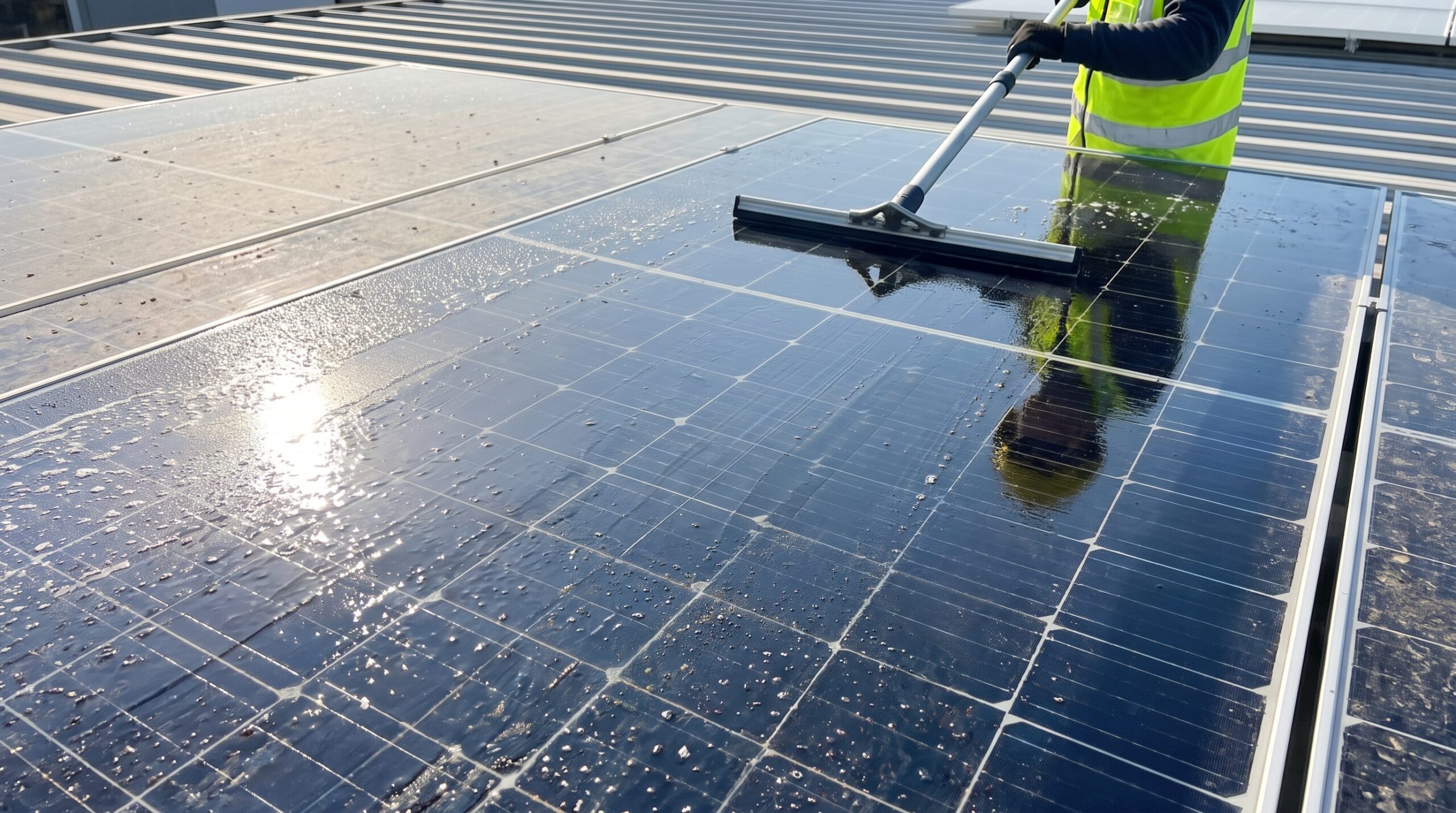
    2. Rinse the panels from the ground with a hose if they look dirty during dry months.
    3. Trim trees that start to shade the roof.
    4. Book an inspection every few years, and after a major storm.
    5. Keep your paperwork, including warranties and your installer’s contact.

    See if solar is worth it over the life of your panels

    What happens when solar panels get old?

    Old panels can keep running at lower output, be replaced with newer and more powerful panels, or be recycled. Panels are mostly glass, aluminum and silicon, and recycling programs are growing as more systems reach 25 years. You can learn what avoids early problems in common solar installation mistakes.

    Compare free quotes with strong warranties from vetted installers

    Frequently asked questions

    How long do solar panels last?

    About 25 to 30 years or more. Most panels keep working past their warranty at slightly lower output.

    How much efficiency do solar panels lose per year?

    About 0.3% to 0.5% a year, so most panels still make 85% to 92% of their original power after 25 years.

    How long do solar inverters last?

    String inverters usually last 10 to 15 years. Microinverters often last 20 to 25 years and carry 25 year warranties.

    Do solar panels need maintenance?

    Very little. Check your monitoring app, rinse the panels if they get dirty and have the system inspected every few years or after a big storm.

    Can solar panels survive a hurricane?

    Panels installed to building code are rated for the high winds in your area. Check that your home insurance covers the panels.

    What happens to solar panels after 25 years?

    They usually keep working at about 85% to 92% of their original output. You can keep them, replace them with newer panels or recycle them.

    Where these numbers come from

    Degradation rates and warranty lengths are typical ranges from major panel and inverter makers as of November 2026. Replacement costs are typical installer prices. We update this guide as products change.

  • 5 Things to Know Before Installing Solar Panels

    5 Things to Know Before Installing Solar Panels

    Before you install solar panels, know five things: how many kWh you use in a year, how much life your roof has left, how your utility credits extra power, how to compare quotes on the same terms and how long the process takes. Settling these first saves you money, weeks of back and forth with installers and the most common surprises after install day.

    Key takeaways

    • Your yearly kWh use decides your system size, not your bill total.
    • Replace a roof with less than about 10 years left before you add solar.
    • Your utility’s rules for extra power change how big your system should be.
    • Compare quotes on price per watt, yearly kWh, equipment and warranties.
    • Most installs take 1 to 3 months from contract to turning the system on.

    Get your solar size, cost and savings in seconds

    1. Know your real power use, not just your bill

    Log in to your utility account and add up the kWh on your last 12 bills. Your kWh use tells an installer how big your system should be. Your dollar total only shows what you pay today, and it changes with rates and fees.

    Expecting to add an electric car, pool pump or new AC? Tell your installer now so the system is sized for your future use. See how to calculate solar panel cost from your usage.

    2. Check your roof before your panels

    Solar panels last 25 to 30 years. If your roof has less than about 10 years left, replace it first. Taking panels off and putting them back later costs about $3,000 to $6,000.

    Direction

    South-facing roofs make the most power. East and west roofs make about 10% to 15% less.

    Shade

    Trees and chimneys that shade the roof for much of the day can cut output by a quarter or more.

    Roof type

    Shingle roofs cost the least to install on. Tile and metal roofs can cost more.

    3. Understand your utility’s rules

    How your utility credits the extra power your panels send to the grid changes how big your system should be and how much you save. In Florida, the big power companies offer net metering at the full retail rate, but leftover credits at the end of the year earn very little. City utilities and co-ops set their own rules.

    Ask each installer to model your bill under your utility’s current rules. Read how it works in Florida net metering.

    See if solar is worth it for your home

    4. Get at least three quotes and compare them the same way

    The lowest total price is not always the best deal. A cheaper quote may mean a smaller system or lower quality equipment. Line up each quote on the same points.

    CompareWhy it matters
    Price per wattThe total cash price divided by the system size in watts. The fairest way to compare.
    Yearly kWhHow much power the system should make. It should be close to your yearly use.
    Panels and invertersBrand, wattage and whether it uses microinverters or a string inverter.
    WarrantiesPanel, inverter and workmanship warranty lengths, and whether labor is covered.
    Ways to payThe cash price, loan rate and any dealer fee.

    Compare cash, loans and leases in our guide to ways to pay for solar.

    5. Know how long it takes

    Install day is not the finish line. Permits, inspection and utility approval take most of the time.

    StepTypical time
    Site visit and design1 to 2 weeks
    Permits1 to 4 weeks
    Installation1 to 3 days
    Inspection1 to 2 weeks
    Utility approval to turn it on2 to 6 weeks

    Most homes go from signed contract to a working system in about 1 to 3 months.

    Your before-solar checklist

    Have these ready before your first quote

    • 12 months of kWh use from your utility account
    • Your roof’s age or last replacement date
    • Your utility’s name and rate plan
    • Any big new loads you plan to add
    • Your budget and how you want to pay

    Compare free quotes from vetted local installers

    Frequently asked questions

    What should I know before installing solar panels?

    Know your yearly kWh use, how much life your roof has left, how your utility credits extra power, how to compare quotes and how long the process takes.

    How many quotes should I get for solar?

    At least three from licensed local installers. Compare them on price per watt, yearly kWh, equipment and warranties, not just the total price.

    Should I replace my roof before getting solar?

    Yes, if it has less than about 10 years left. Removing and reinstalling panels later costs about $3,000 to $6,000.

    How long does it take to install solar panels?

    The install itself takes 1 to 3 days, but permits, inspection and utility approval mean most homes have a working system in 1 to 3 months.

    What size solar system do I need?

    Divide your yearly kWh use by how much power 1 kW of panels makes in your area. In Florida that is about 1,450 kWh per kW, so a home using 13,000 kWh a year needs about 9 kW.

    Is the federal solar tax credit still available?

    Not for homeowners who buy. The 30% federal credit ended for systems installed after December 31, 2025.

    Where these numbers come from

    Costs and timelines are typical ranges from recent installer and utility processes as of November 2026. Florida output and net metering figures follow Florida Public Service Commission Rule 25-6.065 and typical south-facing systems. We update this guide as rules change.