Category: Uncategorized

  • Is Battery Backup Worth It for Your Solar System?

    Is Battery Backup Worth It for Your Solar System?

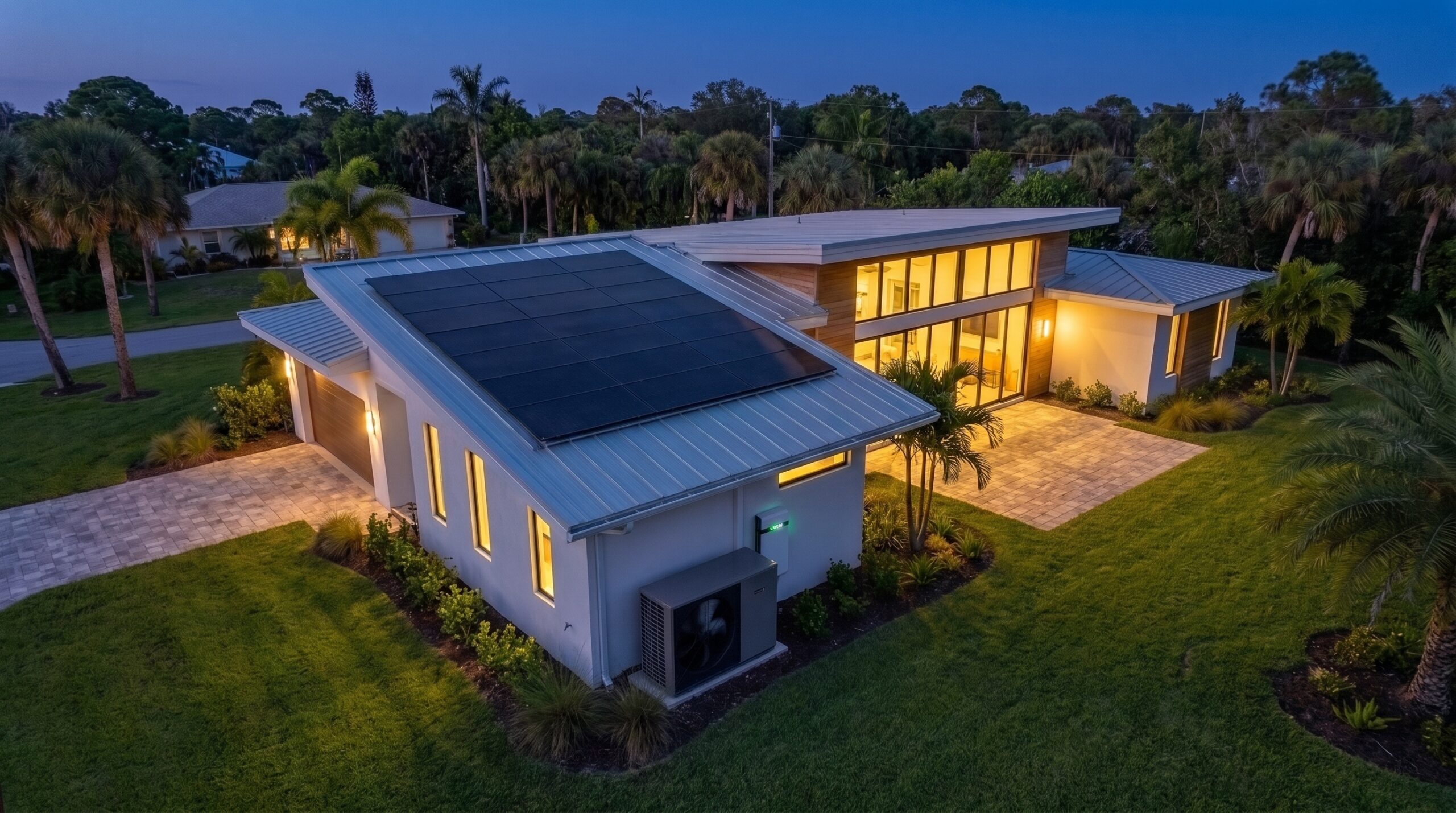
    A battery turns a solar system that only works in daylight into one that keeps a house running at night and through outages. Whether that trade is worth the added cost comes down to three things: what your utility charges by hour, how often your power actually goes out, and how much of the house you want to keep running when it does.

    What a battery actually does

    Without storage, surplus production goes to the grid and you buy it back later at retail rates. A battery keeps that surplus on site, then releases it in the evening when household demand peaks and solar output has dropped to zero.

    During an outage, a battery paired with the right inverter isolates your home from the grid and carries the circuits you chose in advance — typically the refrigerator, well pump, internet, and a few lighting and outlet circuits rather than the whole panel.

    When it pays for itself

    Storage rarely pays back on generation alone. It pays back on rate structure and outage cost. The clearest cases we see in installer quotes:

    • Time-of-use or demand-charge billing, where evening power costs two to three times the midday rate.
    • Net-metering terms that credit exports well below retail, so exporting is worth less than storing.
    • Frequent or long outages, or medical equipment and well water that cannot be offline.

    Homes on time-of-use rates see the fastest return, because stored solar offsets the most expensive hours of the day rather than the cheapest.

    Sizing it for your house

    Capacity is measured in kilowatt-hours; a typical home battery holds 10 to 16 kWh. Pick the number by listing the loads you want backed up and how long you want them to run, not by matching the size of your array. Two smaller units on separate circuits are often more useful than one large one.

    Costs to plan for

    Installed battery costs usually land between $9,000 and $18,000 before incentives, depending on capacity, inverter type, and whether a critical-loads subpanel has to be added. Ask every installer to quote the battery as a separate line so you can compare it against the value of the hours it will actually cover.

  • Common Solar Installation Mistakes to Avoid

    Common Solar Installation Mistakes to Avoid

    Most solar problems homeowners run into were decided before a single panel went on the roof. A quote that looks cheap, a design that ignores shade, or a permit step skipped to save a week all show up later as lower production or a system that stalls in inspection.

    Undersized or mismatched equipment

    An inverter sized to the cheapest quote rather than your actual roof and usage will clip production on sunny days for years. Ask for the inverter’s continuous rating against your array size in writing, not just the panel count.

    Skipping a real shade study

    A single chimney or tree shadow across one string can drag down an entire row of panels if the system was not designed with microinverters or optimizers to isolate the loss. Walk the roof with your installer at the time of day production matters most.

    Weak roof and racking work

    Panels usually outlast the roof under them. Confirm the installer is pulling permits, using flashed (not just sealant-sealed) mounting points, and can show you their standard racking spec before work starts.

    The cheapest bid and the best-engineered system are rarely the same quote — ask what was cut to hit the price.

    • Get the interconnection agreement filed before installation day, not after.
    • Confirm monitoring is set up and you have login access before the crew leaves.
    • Have the final inspection and utility permission-to-operate dates in writing.

    None of this requires becoming an electrician. It requires asking each installer the same handful of questions and comparing the answers, not just the price on the final page.

  • How Long Do Solar Panels Last and What to Expect

    How Long Do Solar Panels Last and What to Expect

    Most panels sold today carry a 25-year production warranty, and the panels themselves routinely keep generating well past that. The more useful question is not whether they last, but how much output you lose along the way and which other parts of the system need attention first.

    Degradation is slower than most people assume

    Modern panels lose roughly 0.3% to 0.5% of output per year. A system producing 100% in year one is typically still around 88-92% in year 25 — a gradual curve, not a cliff.

    The inverter is the part that actually wears out

    String inverters commonly need replacement around year 10-15; microinverters and battery inverters vary by brand. Budget for this the same way you would a water heater, and check what the manufacturer’s warranty actually covers versus labor.

    What shortens the useful life

    • Heat: panels run less efficiently and age faster in consistently high roof temperatures.
    • Debris and soiling: pollen, dust, and bird activity reduce output until panels are cleaned.
    • Poor original installation: loose connections and micro-cracks from mishandling show up as early failures.

    A well-installed system on a well-ventilated roof, checked every few years, is the version that reaches 25-30 years of useful production without surprises.

  • 5 Things to Know Before Installing Solar Panels

    Before the first quote comes in, a little homework on your own roof, bills, and goals will save weeks of back-and-forth with installers later. Here are the five things worth settling first.

    1. Know your actual usage, not your bill total

    Pull twelve months of kWh usage from your utility account, not just the dollar amount. Usage tells an installer how to size the system; the bill total just tells them what you currently pay.

    2. Check your roof before your panels

    A roof with 10+ years of remaining life is worth solar; one due for replacement in the next few years should be re-roofed first to avoid paying to remove and reinstall panels later.

    3. Understand your utility’s export rules

    Net metering, net billing, and time-of-use export rates all change the math differently. Ask installers to model your bill under your actual utility’s current rules, not a generic estimate.

    4. Get at least three quotes, apples to apples

    Compare quotes on panel wattage, inverter type, warranty length, and monitoring — not just the total price. A cheaper number often means a smaller or lower-tier system.

    5. Ask about permitting and interconnection timelines

    Installation day is rarely the finish line. Permitting and utility interconnection can add weeks; ask each installer for their typical timeline from contract to permission-to-operate.

    The homeowners happiest with their system are the ones who understood their own usage and roof before they ever took a call from an installer.